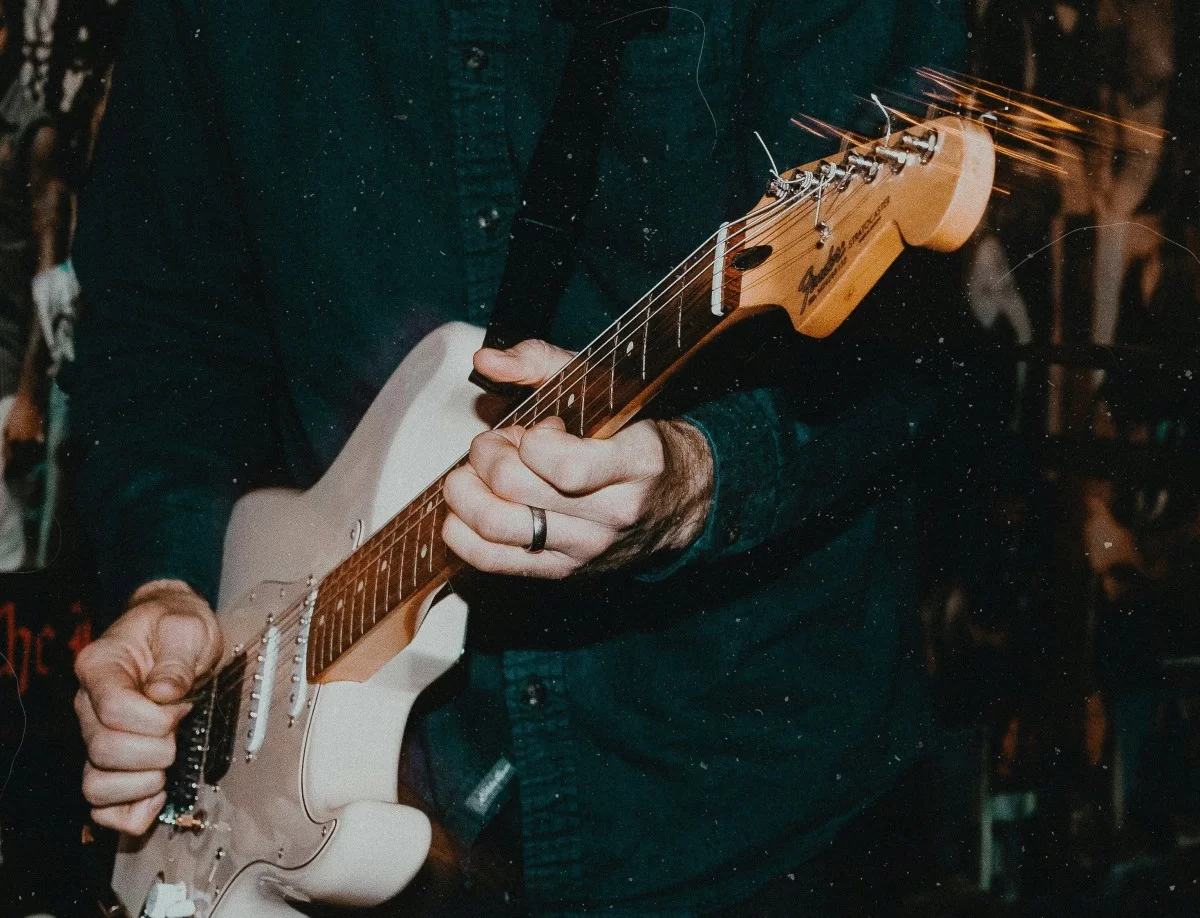
Introduction: The Evolution of Guitar Tone Technology
The landscape of digital guitar processing has reached a fascinating crossroads in 2025. Home studio producers and professional engineers alike face mounting pressure to deliver authentic guitar tones faster than ever, while creative expectations continue to soar. Traditional amp simulation software has served the industry well, but the emergence of AI-powered tone capture technology is fundamentally reshaping how we approach guitar sound design.
IK Multimedia sits at the center of this evolution with two distinct yet complementary approaches: TONEX, their revolutionary AI machine modeling platform, and AmpliTube, their established analog modeling powerhouse. Understanding the technical and creative differences between these systems is crucial for anyone building a modern guitar production workflow, whether in a bedroom studio or a commercial facility.
We gonna examines how each platform addresses the core challenges of contemporary music production—from rapid turnaround demands to the pursuit of hyper-realistic guitar tones that compete with today's streaming standards.
Understanding AI Machine Modeling vs Traditional Analog Simulation
TONEX: Precision Through AI Capture Technology
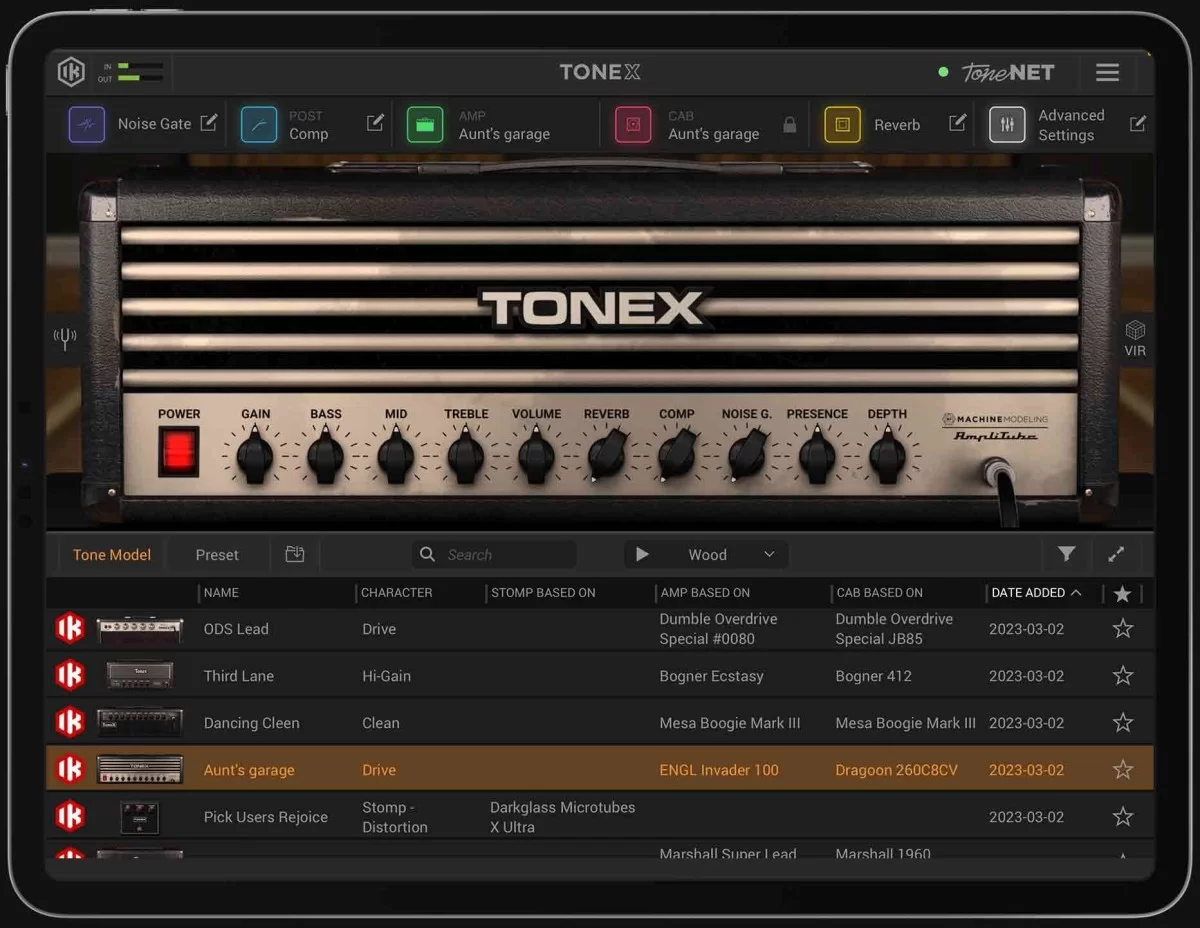
TONEX represents a paradigm shift in guitar tone reproduction, utilizing artificial intelligence to capture and recreate the complete sonic fingerprint of real amplifiers, cabinets, and effects. Unlike traditional modeling approaches that simulate individual circuit components, TONEX analyzes the entire signal chain as a unified system.
The technology works by feeding test signals through actual hardware while recording both the input and output. Machine learning algorithms then map the relationship between these signals, creating what IK calls a "Tone Model"—essentially a digital clone that responds dynamically to playing techniques, pickup variations, and gain settings with remarkable accuracy.
This approach delivers several key advantages for modern production workflows. First, the realism factor is exceptional; TONEX models often capture subtle nonlinearities and harmonic interactions that circuit simulation struggles to reproduce. Second, the capture process allows users to preserve specific amp settings or entire rigs exactly as they were configured, making it invaluable for session work where consistency is paramount.
AmpliTube: Flexible Analog Circuit Modeling
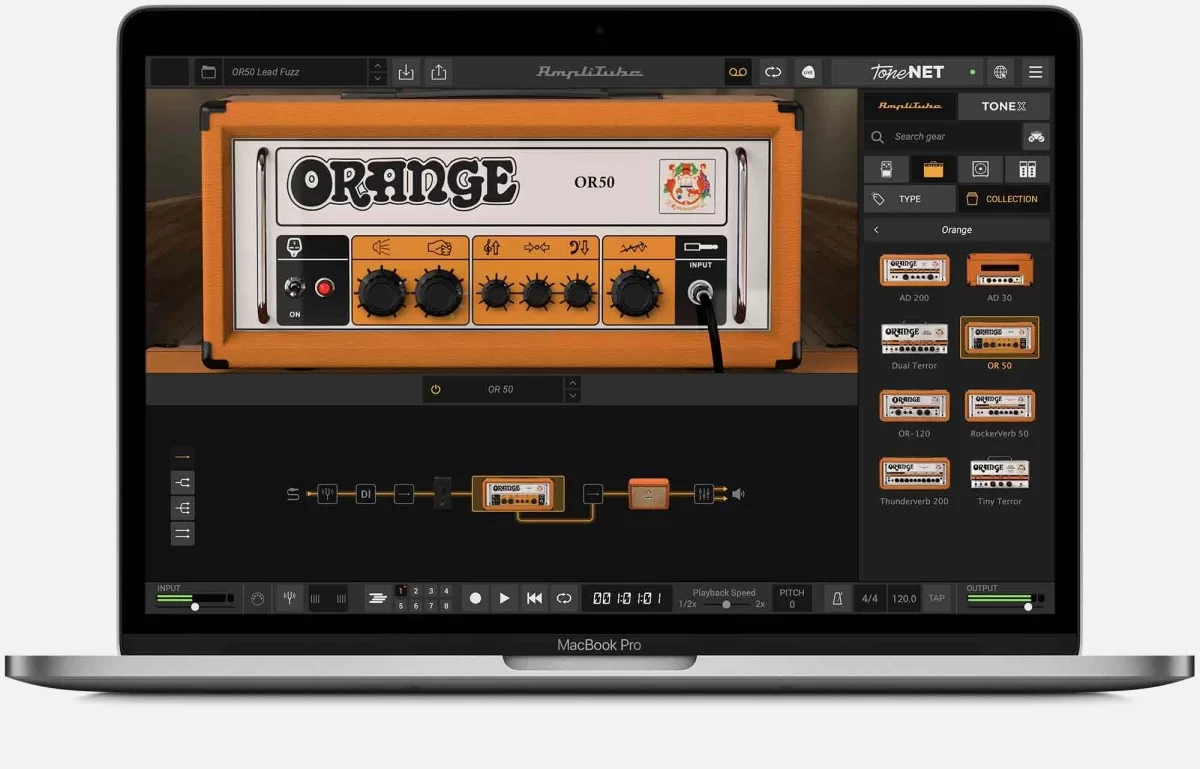
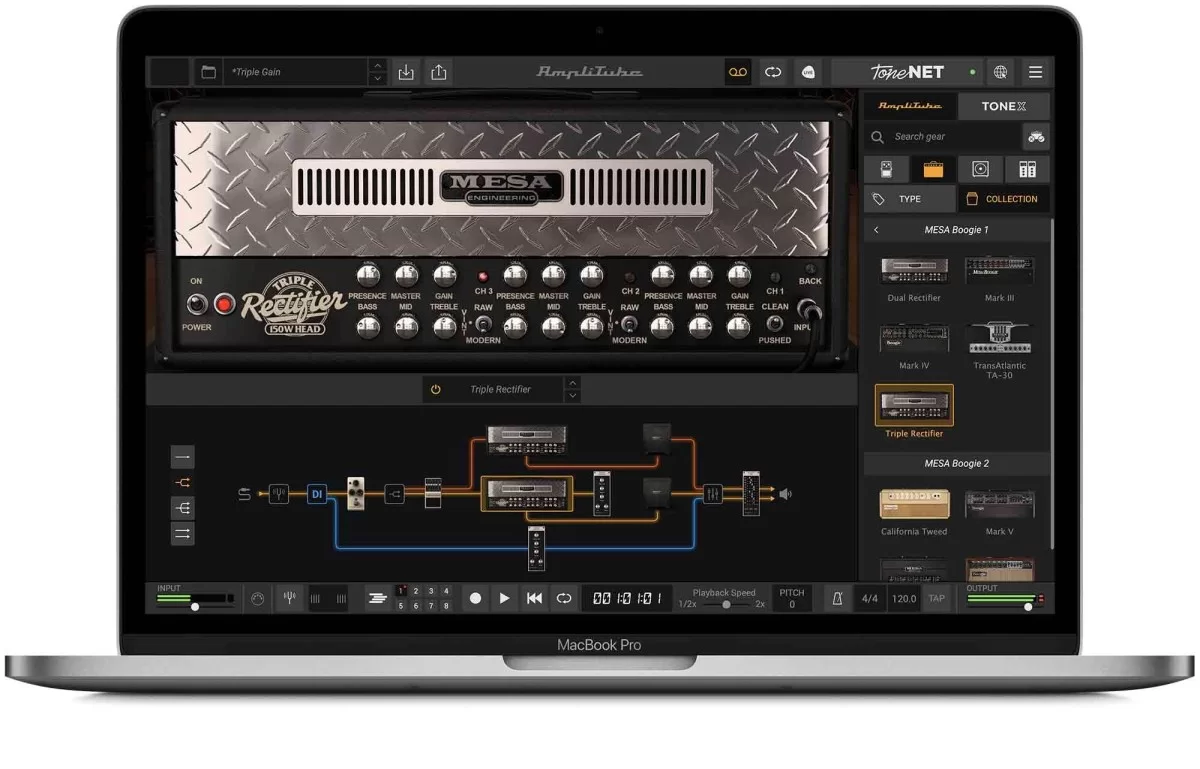
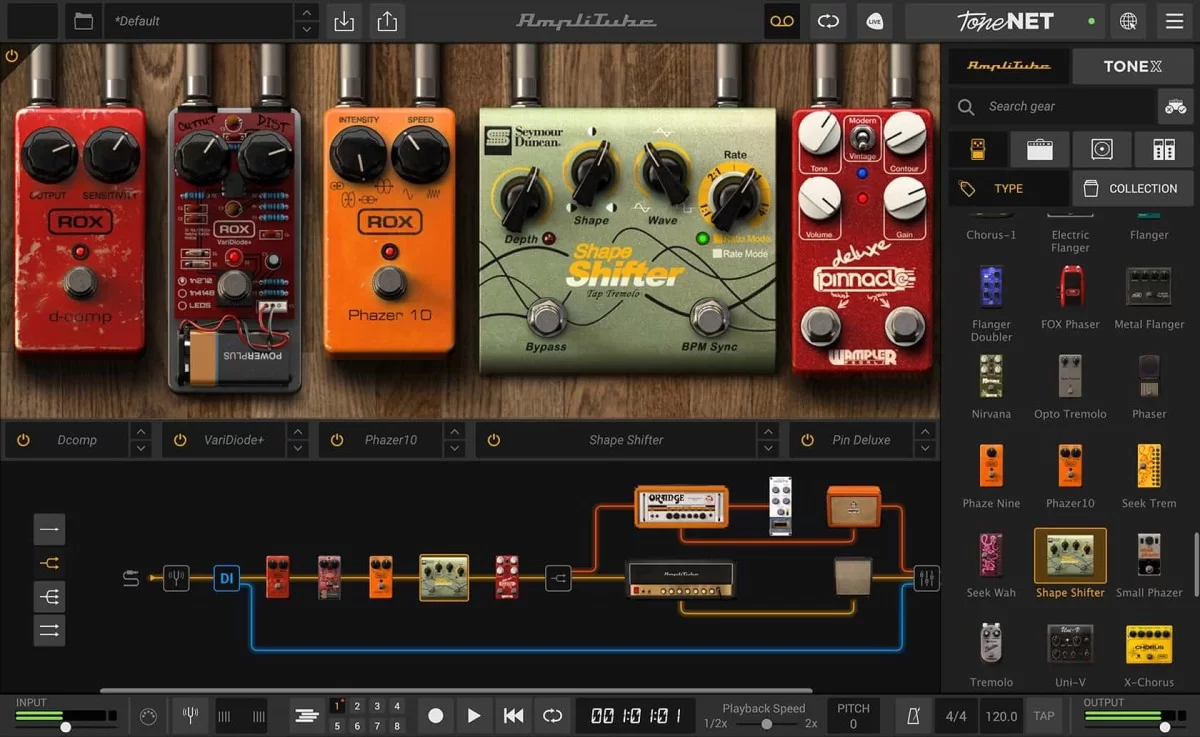
AmpliTube takes the more traditional route of analog modeling, where engineers analyze real amplifier circuits and recreate their behavior through mathematical algorithms. Each component—from preamp tubes to output transformers—receives individual attention, allowing users to mix and match elements freely.
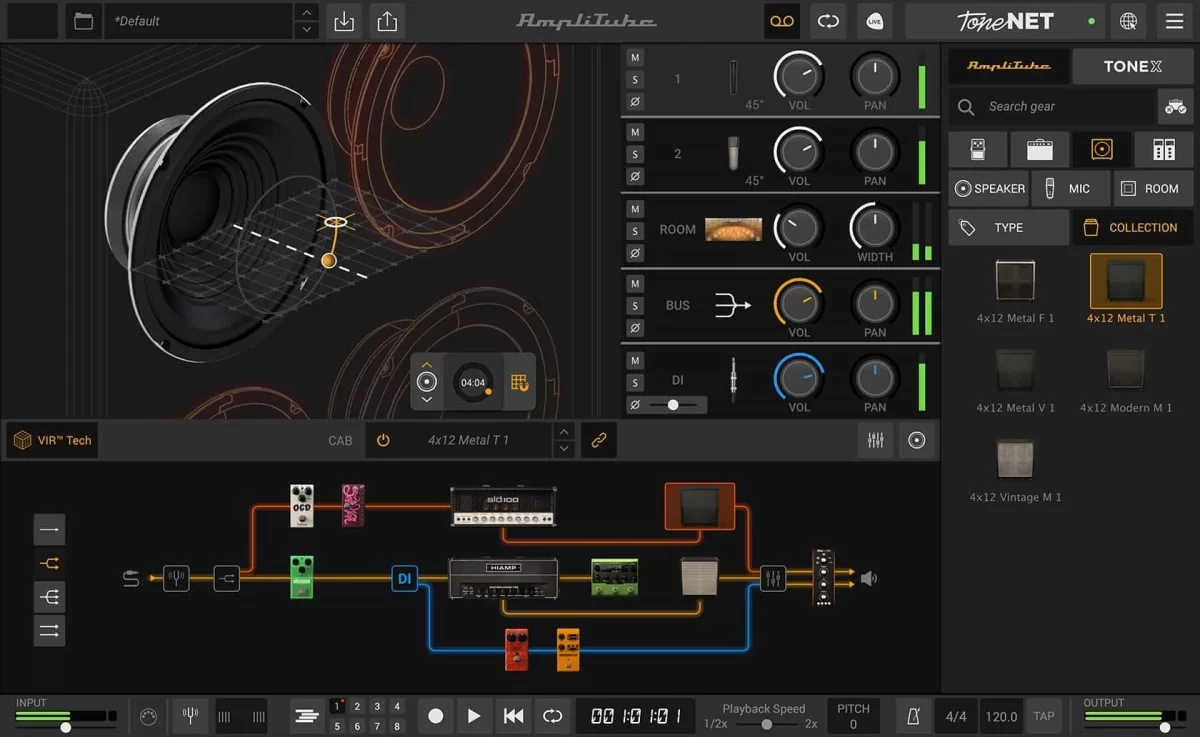
This modular approach provides unprecedented flexibility in tone construction. Users can combine a Fender preamp with a Marshall power section, route the signal through vintage stomp boxes, select from dozens of cabinet models, and position multiple microphones in a virtual room. The level of customization rivals that of a professional guitar rig, with the added benefit of perfect recall and automation capabilities.
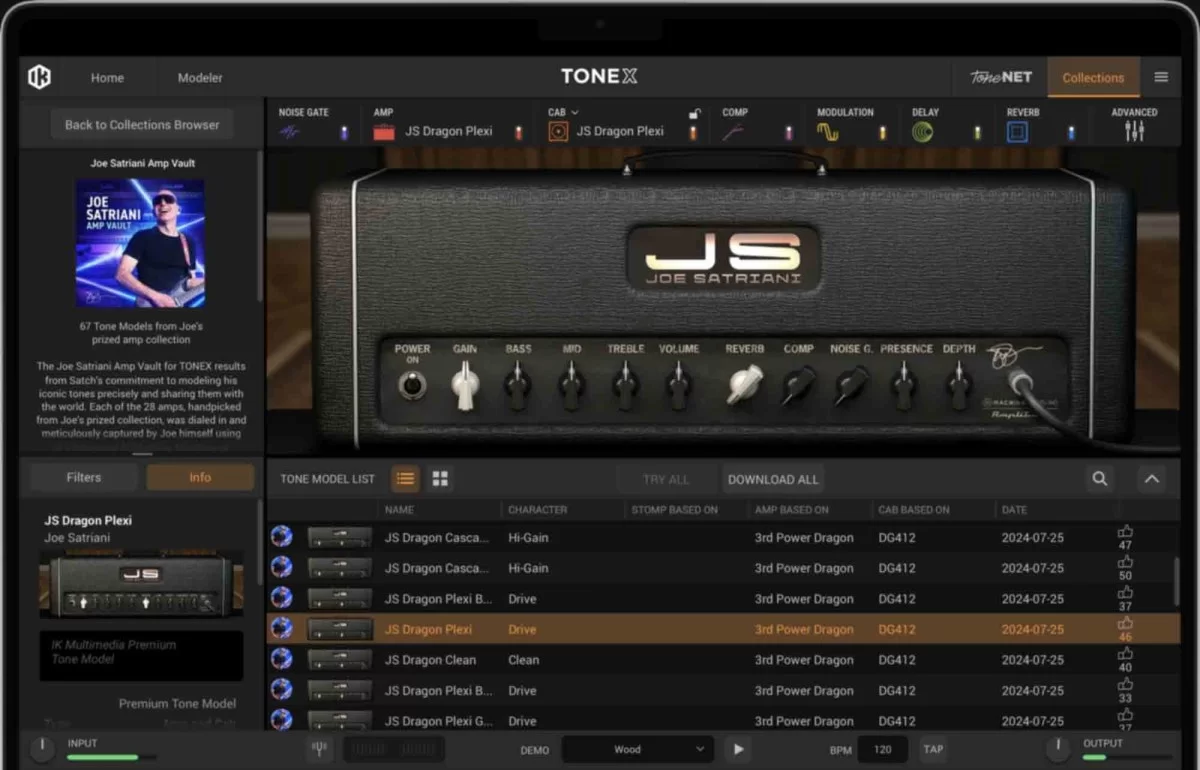
For producers working across multiple genres or clients with varying tonal preferences, AmpliTube's component-level control proves invaluable. The ability to fine-tune individual elements—adjusting tube bias, modifying circuit topology, or experimenting with cabinet resonance—supports the kind of deep sound design that modern productions often demand.
Practical Workflow Integration and CPU Considerations
TONEX in Professional Production Environments
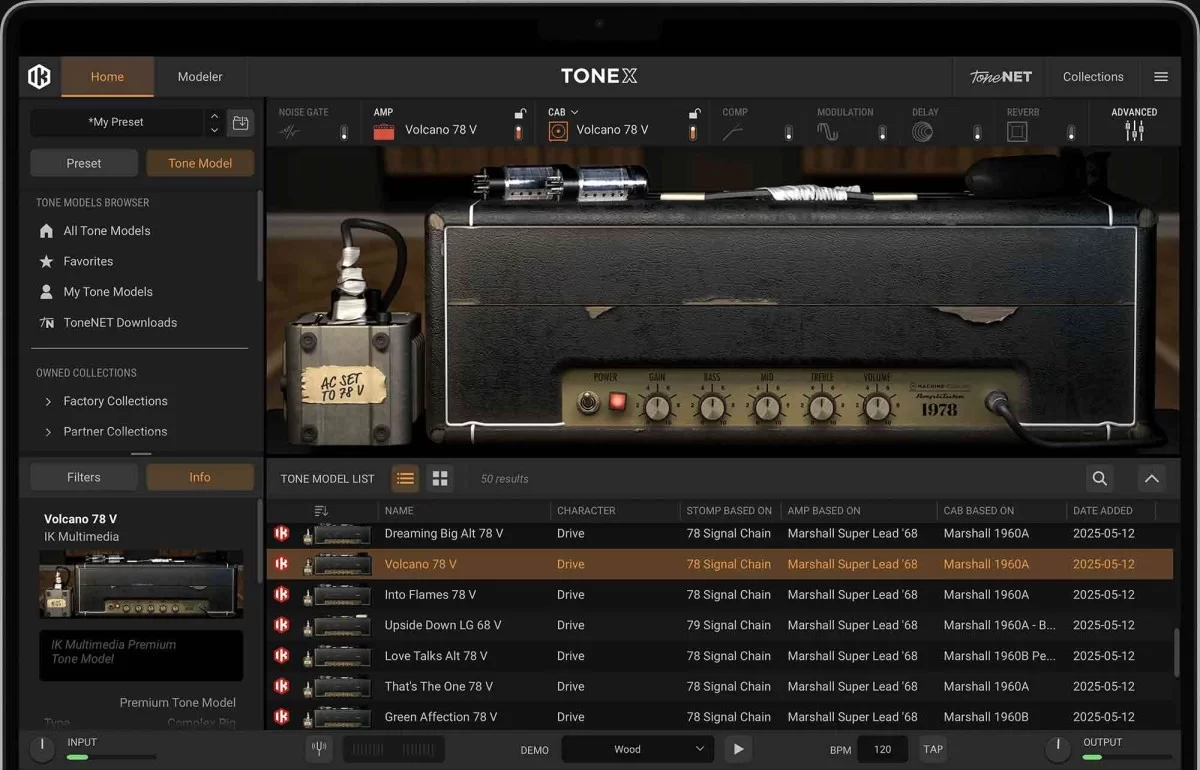
TONEX excels in scenarios where speed and authenticity take precedence over flexibility. Loading a tone model is instantaneous, and the plugin's streamlined interface means less time navigating complex signal chains. For tracking sessions where multiple guitar parts need to maintain tonal consistency, TONEX's capture-based approach ensures that the "magic" setting from yesterday's session remains perfectly preserved.
The plugin's CPU efficiency is noteworthy, especially considering the complexity of the underlying AI algorithms. Most modern systems can run multiple instances without strain, making it practical for producers working with layered guitar arrangements or real-time monitoring during recording.
However, TONEX's strength in consistency can become a limitation when creative flexibility is required. While basic tone shaping controls are available, users cannot fundamentally alter the captured tone's character in the way that component-level modeling allows.
AmpliTube's Role in Complex Guitar Production
AmpliTube shines in situations requiring extensive tonal experimentation and customization. Its modular architecture supports the kind of creative exploration that often leads to signature sounds, particularly valuable when working with artists seeking to establish their sonic identity.
Producers can start with a foundational tone and refine it throughout the production process, adapting to arrangement changes or client feedback without starting from scratch.
Real-World Application Scenarios
Home Studio Production Advantages
For home studio operators, both platforms address common challenges but in different ways. TONEX provides access to legendary amplifiers and studio setups that would be impossible to own or properly mic in a residential environment. The ability to download and use tones captured in world-class facilities essentially democratizes access to professional-grade guitar sounds.
Since AmpliTube also handles all processing digitally, it's perfectly suited for achieving professional-grade guitar tones in home studio settings. From a convenience standpoint, it's an outstanding product that rivals TONEX's ease of use.
Professional Studio Integration
In commercial studios, TONEX often serves as a complement to existing analog gear. Its capture capabilities allow engineers to preserve the exact settings of vintage amplifiers for later recall, while the extensive user community provides access to tones from gear that might be financially or logistically impractical to maintain.
AmpliTube's role in professional environments often centers on pre-production and writing sessions, where the flexibility to quickly audition different tonal approaches supports the creative process. Many producers use AmpliTube during arrangement phases, then either commit to those tones or use them as references for analog recording.
The ToneNET Ecosystem and Community Integration
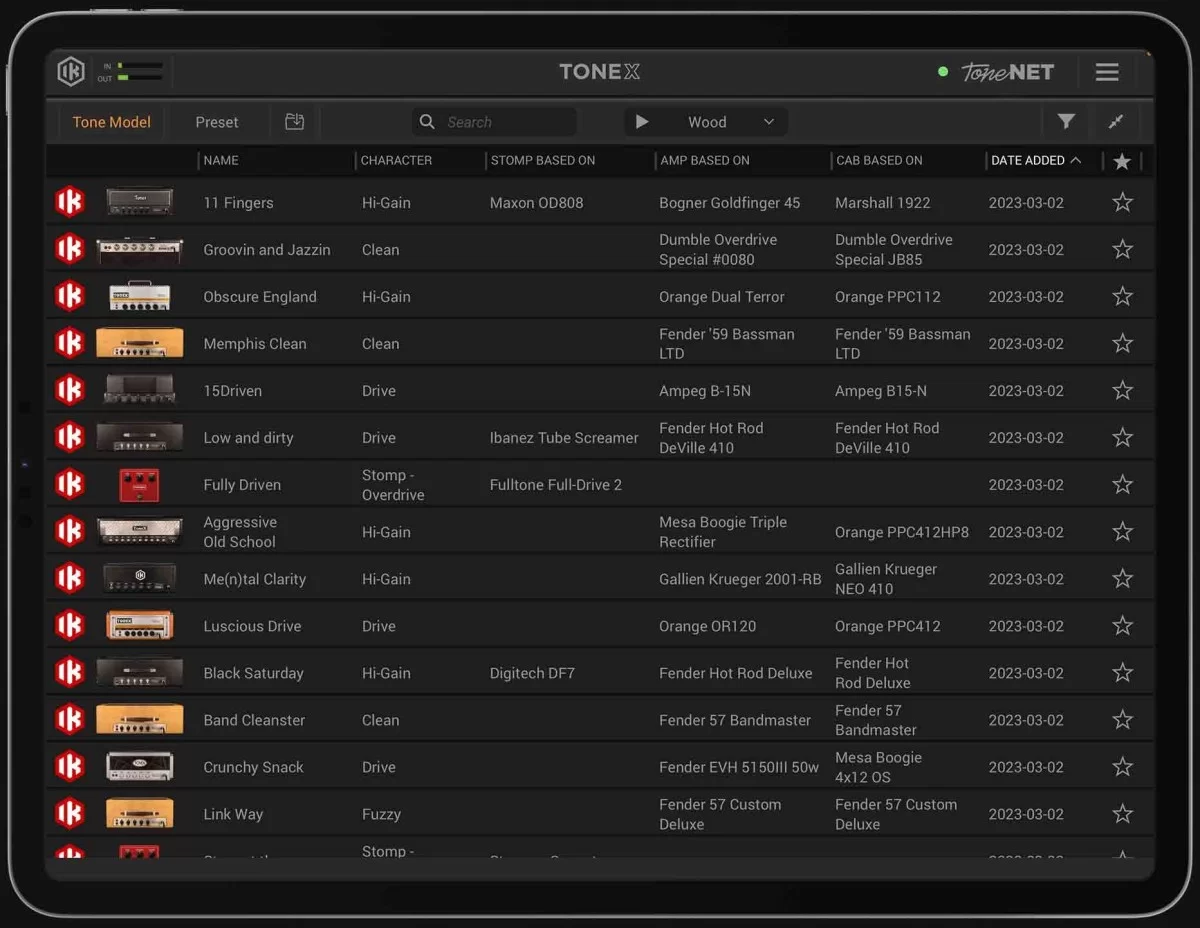
One of TONEX's most compelling features is its integration with ToneNET, IK's cloud-based platform for sharing tone models. This creates a collaborative environment where users can access captures from professional studios, gear manufacturers, and fellow musicians worldwide.
The community-driven nature of ToneNET requires careful curation to maintain quality standards. While the platform offers extensive filtering and rating systems, the sheer volume of available content can sometimes make finding the optimal tone more challenging than creating one from scratch in a traditional modeling environment.
AmpliTube's preset sharing, while less extensive than ToneNET, benefits from tighter quality control and professional curation. The presets often include detailed descriptions of their intended applications, making them valuable learning tools for understanding how different components interact within a complete signal chain.
DAW Integration and Automation
Both platforms offer comprehensive DAW integration, but their automation capabilities differ significantly. AmpliTube's component-level parameters provide extensive automation possibilities, supporting complex tonal changes throughout a song. TONEX's more limited parameter set means less automation complexity but also fewer opportunities for dramatic tonal shifts.
The choice between platforms often depends on whether the production requires static tones with consistent character (favoring TONEX) or dynamic tonal changes that support the song's emotional arc (favoring AmpliTube).
Technical Performance and System Requirements
CPU Efficiency and Latency Considerations
TONEX's AI-based processing requires more computational power than traditional modeling, but IK's optimization ensures reasonable performance on modern systems. Latency remains low enough for real-time monitoring, though users with older hardware might need to increase buffer sizes during tracking sessions.
AmpliTube's more traditional approach generally offers superior CPU efficiency, particularly when using simpler signal chains. However, complex setups with multiple amplifiers, cabinets, and effects can quickly consume system resources, especially when higher sampling rates are required.
Audio Quality and Resolution
Both platforms support high-resolution audio and maintain signal integrity throughout the processing chain. TONEX's AI modeling tends to preserve more of the subtle harmonic content that contributes to realistic amp behavior, while AmpliTube's mathematical modeling provides more predictable and consistent results across different playing styles.
Making the Strategic Choice for Your Studio
Genre-Specific Considerations
Different musical genres place varying demands on guitar tone flexibility and authenticity. Electronic and pop productions often benefit from TONEX's instant access to iconic tones, while rock and metal genres might require AmpliTube's deeper customization capabilities for achieving unique sounds that cut through dense arrangements.
Singer-songwriter and acoustic-based productions could favor TONEX for its ability to capture the subtle dynamics and harmonic complexity that make acoustic guitar tones compelling. Jazz and fusion applications could prefer AmpliTube's flexibility for creating clean tones that respond dynamically to complex chord voicings and extended techniques.
Conclusion: Embracing Technological Convergence
The guitar production landscape in 2025 doesn't require choosing between AI modeling and traditional simulation—it rewards understanding how each approach serves different creative and technical needs. TONEX delivers unmatched authenticity and speed for capturing existing tones, while AmpliTube provides the flexibility and customization depth that complex productions often demand.
The most successful studios are those that recognize these platforms as complementary tools rather than competing solutions. As AI technology continues to evolve and traditional modeling becomes increasingly sophisticated, the convergence of these approaches will likely define the next generation of guitar production tools.
Looking ahead, expect to see deeper integration between capture-based and component-based modeling, potentially leading to systems that offer both the authenticity of AI modeling and the flexibility of traditional simulation within unified interfaces. Until then, understanding the unique strengths of each approach remains key to making informed choices that serve your creative vision.
FAQ
Can TONEX capture any type of guitar gear, or are there limitations?
TONEX can capture amplifiers, cabinets, and certain effects like drive pedals and EQs. However, time-based effects like delays and reverbs, as well as modulation effects, cannot be accurately captured due to their temporal nature. The capture process works best with static gain stages and filtering devices.
How does AmpliTube's CPU usage compare to TONEX in real-world scenarios?
AmpliTube generally uses less CPU with simple signal chains but can become resource-intensive with complex setups involving multiple amps and effects. TONEX maintains relatively consistent CPU usage regardless of the complexity of the captured tone, but the AI processing requires more baseline computational power than traditional modeling.
Is it possible to edit TONEX captures like traditional amp models?
TONEX provides basic tone shaping controls (gain, bass, mid, treble, presence) but doesn't allow the component-level editing that AmpliTube offers. The capture represents a fixed snapshot of the original gear's behavior, though the provided controls can modify the tone within the captured system's natural response characteristics.
Which platform is better suited for live performance applications?
Both platforms work well for live use, but TONEX often provides more consistent results across different venues and sound systems due to its capture-based nature. AmpliTube's flexibility can be valuable for performers who need to adapt their tone to different rooms or musical contexts during a single performance.
How do the preset libraries compare between the two platforms?
AmpliTube offers professionally curated presets with detailed descriptions and applications, while TONEX's ToneNET provides a vast, community-driven library of captures from real gear. The choice depends on whether you prefer professional curation or access to the broadest possible range of authentic tones from actual equipment.